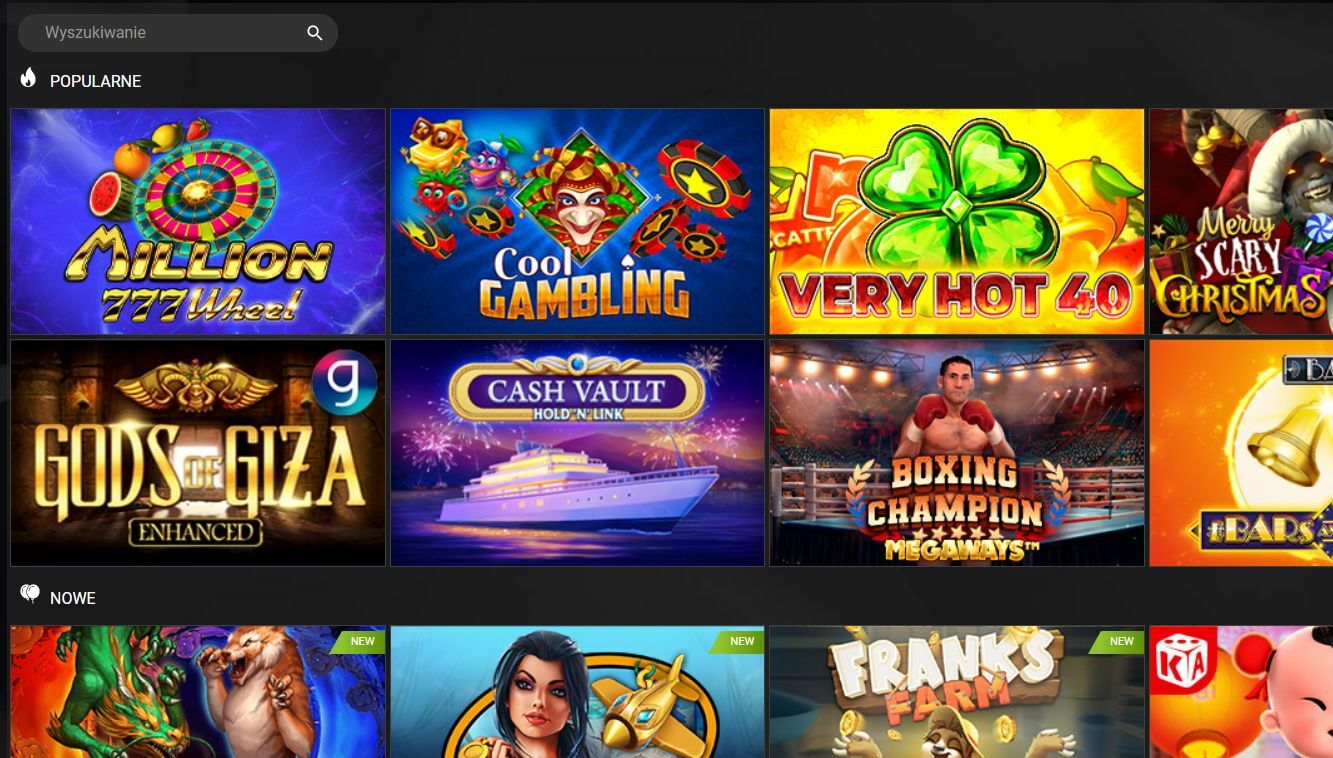
The phrase “casino software platform” gets thrown around a lot in online gambling, but hardly anyone clarifies what it actually means. A platform isn’t a single chunk of code. It’s a layered system that integrates game suppliers, payment providers, account logic, bonus engines and regulatory tools. For UK players, understanding those layers is the difference between selecting a casino without knowledge and being certain what to check before you deposit.
The Key Game Categories and Their Differences
Online casinos usually split their libraries into slots, table games, live casino, and sometimes instant win or video poker sections. Each category makes different demands on the underlying software. Slots are the most extensive group and tend to come from separate studios, while table games may come from a distinct set of suppliers. Live casino is a unique product because it streams real dealers rather than using an animated interface.
Slots differ a lot in mechanics, from classic three-reel games to modern titles with cascading symbols, bonus buys and Megaways engines. A platform has to support each studio’s unique game logic without making the lobby sluggish. That’s why filtering by provider or feature is important. Players who are familiar with the categories can find what they want faster, especially on mobile where screen space is tight.
Table games like blackjack, roulette and baccarat rely on random number generators that simulate card shuffles or wheel spins. The software has to be certified by independent testing labs to confirm that outcomes are fair and not predictable. UK-facing casinos are expected to use games tested against recognised technical standards. Frank Casino’s platform, like others serving the UK market, has to carry games that meet those compliance expectations.
Instant win and scratchcard games sit in a smaller category, but they’re handy for short sessions. They use the same account balance and RNG infrastructure as other games. The platform has to process each outcome and update the balance straight away. Because these games are quick, any lag stands out more. A responsive platform preserves the tempo steady across all categories.
What Casino Software Platforms Really Work
A casino software platform is the core infrastructure that connects every part of an online gambling site. It processes player registration, login sessions, balance updates, game launches and transaction logs. Without that layer, you’d just see a bunch of disconnected games, not a single account. The platform also ensures game results get sent back to the operator’s records, which is crucial for dispute resolution and regulatory audits.
Most modern platforms aren’t built from scratch by the casino operator. Specialist firms deliver them, and then the operator customises the platform with its own branding, a game library and local payment methods. Frank Casino shows you a front-end experience, but the underlying platform manages games from multiple studios. That’s why loading times, search filters and game categories can vary between casinos even when they offer the same titles.

Platforms also handle responsible gambling tools. Deposit limits, frankcasino in-play betting, session reminders, time-outs and self-exclusion requests are usually implemented at the platform level, not inside individual games. So if a player sets a weekly limit, it should be valid across slots, table games and live dealer rooms. If a platform fails to enforce those controls consistently, it creates serious compliance headaches and undermines player trust.
Game integration runs through application programming interfaces, or APIs. Each game studio supplies a standard protocol that the platform uses when a player opens a title. The platform passes the player’s balance, currency and session token, and the game sends back the result. This exchange takes milliseconds. A well-built platform also incorporates fallback logic if a game server briefly drops the connection, so the player’s balance stays protected.
Live Dealer Software: The Video and Presenter Layer
Live casino games are the most complex software product on a casino site because they merge physical hardware, video streaming, optical character recognition and account logic. A live blackjack table employs real cards and a human dealer, but the platform has to detect the card values through sensors or camera recognition and translate them into the player’s interface. This happens within seconds.
Latency is the key technical measure in live play. The delay between the dealer’s action and what you see on screen can impact betting decisions, especially in games with time-limited betting windows. Good live casino platforms keep latency low while providing a stable video feed. Players on slower connections should pick a lower video quality setting to reduce interruptions. The software commonly offers this control in the live lobby.
Live casino encompasses more than blackjack and roulette. Game shows, Sic Bo, baccarat and poker variants are standard, and each uses a different studio layout. The platform has to handle multiple camera angles, chat features and game history panels without overburdening the device. Because the stream is continuous, mobile data usage can be substantial. Players on limited data plans should opt for Wi-Fi for longer live sessions.
The dealer and studio aren’t the only software layers. Live platforms contain a bet settlement engine that validates wins and losses after each round. This engine has to correspond the video outcome with the player’s bet record. If the stream freezes, the platform should still process the round correctly from the game log. That’s why live casino regulation mandates detailed event history and a clear process for disputed rounds.
In what manner Slots and Table Games Are based on Different Engines
Slots and table games can seem similar on the surface, but they are powered by different mathematical engines. A slot engine processes each spin independently, with payout combinations based on a reel map and a random number seed. A blackjack engine, by contrast, is required to simulate a dealing sequence from a finite shoe, removing cards as they’re played. These differences influence how the games feel and how returns are modelled.
Return to player, or RTP, is a theoretical percentage that indicates how much a game pays back over millions of rounds. Slots often have RTP values in the low to high 90s, while many table games sit closer to 99 per cent when played with optimal strategy. The platform displays these figures, but the RTP is baked into the game by the studio. A platform cannot change a slot’s return without changing the certified game file.
Volatility is another engine-level characteristic. Low-volatility slots produce frequent small wins, while high-volatility titles can go through long dry spells before a bigger payout. Table games have less dramatic volatility because the rules create a steadier distribution of results. Players should check a game’s help file for volatility info where available. That helps set realistic expectations for session length and bankroll.
Certification is the unseen part of the engine. Independent test houses review the code to verify that the random number generator isn’t biased and that the advertised RTP matches the actual mathematical model. In the UK, operators must work with games that meet the technical standards set by the Gambling Commission. Frank Casino is expected to host games from licensed suppliers who provide those certification certificates.
Bonus offers and System Mechanics: Betting, Maximums and Timing
Bonus deals are not merely advertising; they’re enforced by the site’s bonus engine. When a user claims a bonus, the system generates a distinct bonus balance with its unique conditions. A deposit bonus often requires a minimum deposit to qualify, and free spins are usually linked to a specific slot machine. The site records wagering progress and stops withdrawing of promotional funds until the terms are met.
Betting requirements are the most crucial element to comprehend. A common range is between 25 and 40 times the bonus value, though some offers are above or below that. If a player claims a £50 bonus with a 30x playthrough, they must stake £1,500 before cashing out bonus-related winnings. The platform records qualifying bets, though not all titles have equal weighting.
Title weighting determines how different titles count toward playthrough. Slot games typically contribute 100 per cent, while table games may count only 10 or 20 percent due to having a smaller house advantage. Some games are banned outright. The promotion system uses these contributions in live. Gamers should open the promotion terms before picking games, since playing the wrong title can leave the wagering incomplete.
Time restrictions and betting caps are also built into the system. A offer may run out after 7 days, and making a bet above a certain amount while playing with bonus money can invalidate the offer. These conditions are typical in the UK gambling scene. Frank Casino’s site, similar to other licensed sites, should show the essential rules plainly before a player opts in. Checking those terms is more reliable than trusting promotional slogans.
Payment Processing and Withdrawal Facts
Payment handling is one of the least understood parts of a casino platform. A deposit usually appears instantly because the operator processes the transaction before the funds fully transfer. A withdrawal, conversely, involves a more extended process: the casino must confirm the player, authorize the request, route it through the payment provider and then wait for the bank or e-wallet to disperse the money.
UK-facing casinos commonly support debit cards, bank transfers and e-wallets such as PayPal, Skrill or Neteller. Debit card withdrawals typically take one to five working days after approval, while e-wallets can be more rapid. The platform shows the available methods in the cashier. Players should confirm that the method used for deposit is also available for withdrawal, because some casinos mandate the same route for security reasons.

Know Your Customer checks are the main cause of withdrawal delays. Licensed operators must establish identity, age and address before processing large withdrawals. The platform requests documents like a passport or driving licence and a recent utility bill. Submitting clear documents at the start can cut waiting time. Frank Casino is expected to comply with these checks as part of its UK licensing obligations.
Fees and minimum limits vary by method. Some e-wallets charge a small fee for receiving gambling funds, while banks typically don’t. The platform may also establish a minimum withdrawal amount, often around £10 or £20. Players should check the cashier terms before depositing. Understanding these processing realities eliminates frustration and helps players pick a method that aligns with how quickly they need their money.
Security, Regulation and Impartiality Infrastructure
Security on a casino platform is constructed in layers. The first is transport encryption, usually TLS, which protects data between the player’s device and the server. The second is account-level security, including strong passwords, two-factor authentication and session timeouts. The third is payment security, where card data may be tokenised so the operator doesn’t store raw card numbers. Together these layers reduce the risk of interception.
Authorization isn’t a technical feature, but it shapes how the platform is designed. UK-facing casinos must hold an operating licence from the Gambling Commission, which applies strict requirements on game fairness, advertising, complaint handling and player protection. A platform built for the UK market includes controls such as reality checks, deposit limits and self-exclusion links. Players can check a licence number on the Commission’s public register.
Equity testing is separate from licensing. Independent laboratories such as eCOGRA, iTech Labs or GLI test the RNG and game outcomes. They also confirm that live casino results match the house rules. A casino platform that hosts certified games will often present a fairness certificate or a tested game statement. This doesn’t guarantee a win, but it proves the games aren’t rigged.
Controlled gambling tools are part of the security infrastructure. The platform must permit players to set deposit limits, cooling-off periods and self-exclusion. These controls are usually applied across the whole account and can’t be overridden by individual games. For UK players, the platform should also link to the national self-exclusion scheme. Frank Casino’s software should make these options easy to find, not buried deep in the menu.
Mobile and Cross-Platform Functionality
Many casino platforms now operate on HTML5, which lets the same game work in a desktop browser, a mobile browser or a dedicated app without a separate download. That’s a major shift from older Flash-based software. For players, it signifies the account, bonuses and game history keep synced across devices. A session started on a phone can be continued on a laptop after logging in.
Mobile performance relies on more than screen size. Touch controls, orientation changes and data usage all influence the experience. Slots are generally the most mobile-friendly category, while live casino streams need more bandwidth. The platform should reduce image compression when necessary without breaking game features. Players with older phones should shut down background apps to release memory for the casino software.
Some operators offer a native app, but many UK players just employ a mobile web browser. A well-designed platform will deliver the same game library on both, with only minor differences in layout. The key is how fast the lobby loads and how reliably games resume after a connection drop. Frank Casino’s platform, like most modern UK brands, is required to prioritise browser-based compatibility because it eliminates the need for app store approvals.
Cross-device play also influences responsible gambling. Time on device, deposit limits and session reminders should operate consistently whether a player uses one phone or several devices. The platform connects these controls to the account, not the device. So a limit set on a desktop holds true to a mobile browser as well. That consistency is a marker of a mature software platform rather than a shallow mobile skin.
FAQ
How does a casino software platform function?
A casino software platform serves as the technical system that links games, player accounts, payments and responsible gambling tools. It processes logins, balances, bonuses and game results in one place. Lacking this platform, you couldn’t maintain a single account across different studios. The platform’s quality impacts speed, stability and the overall user experience.
Are the outcomes of online casino games fair?
Third-party testing detailed
Yes, licensed games are tested by independent laboratories that examine the random number generator and advertised return to player. In the UK, operators must meet Gambling Commission technical standards. This does not ensure a win, but it confirms outcomes aren’t rigged. Look for testing certificates from bodies such as eCOGRA or iTech Labs.
What is the timeframe do withdrawals take?
Withdrawal times vary by the payment method and verification status. E-wallets can be processed within 24 hours after approval, while debit cards and bank transfers may take one to five working days. Know Your Customer checks can add time if documents aren’t submitted early. Check the cashier terms on the official page for current timings.
What defines wagering requirements?
Staking requirements specify how many times a bonus must be wagered before winnings can be withdrawn. A standard range is 25 to 40 times the bonus amount. For example, a £50 bonus with 30x means £1,500 in qualifying bets. Game weighting applies, so always check the promotion terms before opting in.
Can I play on mobile without an app?
Yes, most modern platforms use HTML5, so games work right in a mobile web browser. You can log in, deposit, claim bonuses and play without downloading an app. Account settings and responsible gambling tools keep synced across devices. Some operators also offer a native app, but browser play is usually enough for UK players.
In what way does licensing protect UK players?
UK licensing requires operators to follow strict rules on game fairness, advertising, complaints and player protection. The Gambling Commission can investigate breaches and impose penalties. Licensed platforms must offer reality checks, deposit limits, time-outs and self-exclusion. Players can check an operator’s licence number on the Commission’s public register before depositing.
What must I review before claiming a bonus?
When claiming a bonus, check the wagering requirement, game weighting, maximum bet cap, minimum deposit and expiry date. Find excluded games and whether the bonus is tied to specific slots. The platform implements these rules automatically, so playing the wrong title can leave the requirement unfinished. Reviewing the full terms is more reliable than the headline offer.